Driving From Miami to Key West: What Makes This Road Trip So Iconic
Jan 21, 2026
The drive from Miami to Key West is one of the rare road trips where the journey itself becomes part of the vacation. As soon as you enter the Florida Keys, the road begins to pull away from the mainland and stretch across open water, creating a sense of gradual arrival that feels unlike any other drive in the United States.
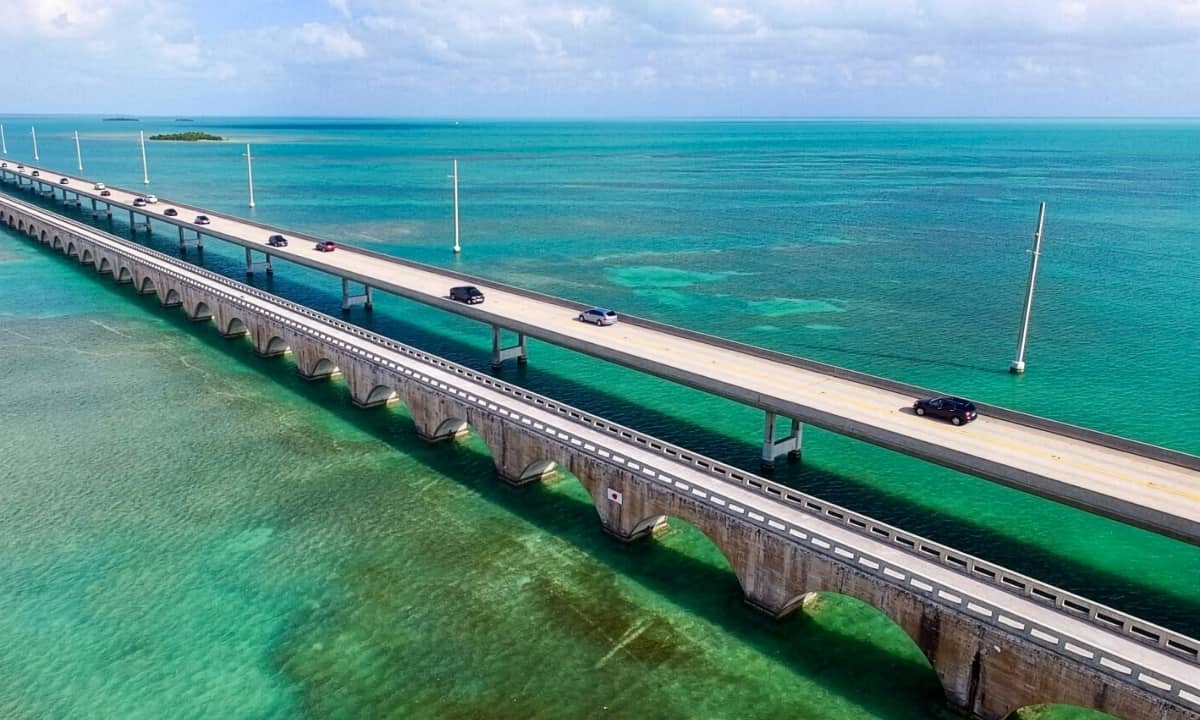
The route follows the Overseas Highway, a roadway officially designated as an All-American Road for its exceptional scenic, historic, and cultural significance. Spanning roughly 113 miles across the Keys and crossing 42 bridges, it links a chain of islands that feel increasingly removed from everyday life with each mile marker. This is not simply a way to reach Key West. It is a nationally recognized travel experience in its own right.
Why This Drive Feels Different
What sets this drive apart is the way it changes your pace. Land slowly gives way to water. The horizon opens, and the road feels suspended between the Atlantic Ocean and the Gulf of Mexico. It’s a drive that invites you to slow down and arrive in Key West already in an island state of mind.
The drive “on the Overseas Highway” starts as you leave the mainland at Florida City and enter the Keys, then continues through Key Largo, Islamorada, Marathon, Bahia Honda, Big Pine Key, and on to Key West. Let’s go on this road trip through the Keys together.
Key Largo
Key Largo introduces one of the defining features of the Florida Keys: the coral reef. John Pennekamp Coral Reef State Park protects the first underwater state park in the United States and part of the only living coral reef system in the continental U.S.
Long before the Keys became a vacation destination, these reefs drew explorers, fishermen, and divers to the region. Dive, snorkel, or take a glass bottom boat ride to see Christ of the Abyss in the blue waters of John Pennekamp Coral Reef State Park.
Islamorada
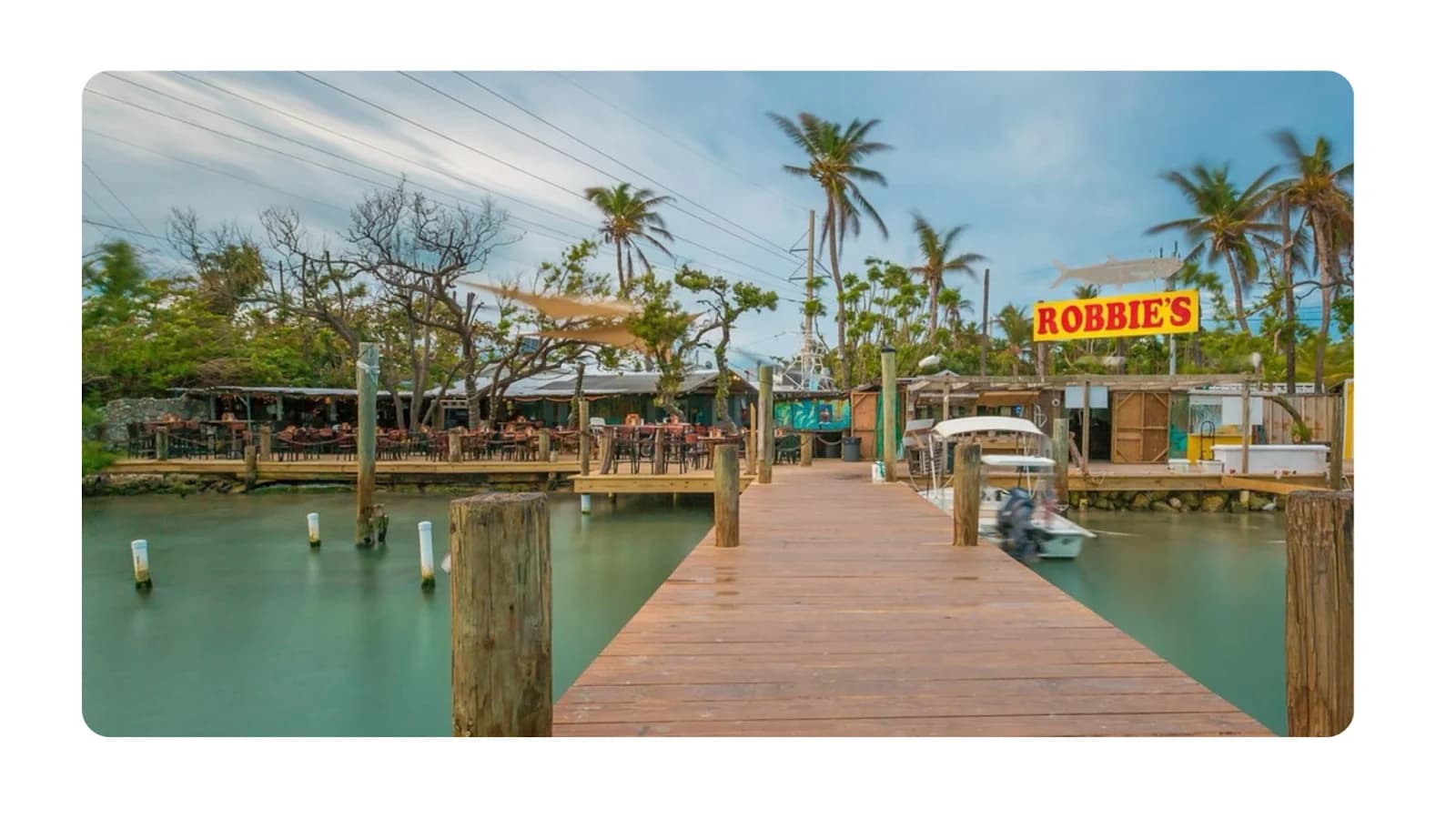
Islamorada feels grounded in working waterfront life. At Robbie’s Marina, fishing boats return daily and schools of massive tarpon gather beneath the docks. Feeding them by hand has become a well-known experience, and it is not unusual to see people lined up along the dock waiting for their turn. Shop local art, have lunch, and feed the tarpon while you watch boats come and go from the marina. Mile Marker 77.5. Photo credit: Robbie’s of Islamorada.
Marathon
Marathon sits in the middle of the island chain and offers insight into both the natural and human stories of the Keys.
- The Turtle Hospital is a working rehabilitation center dedicated to rescuing and treating injured sea turtles, where visitors learn how boating activity, pollution, and fishing gear impact marine life and what is being done locally to protect these animals.
The Dolphin Research Center focuses on research, education, and conservation rather than performance, with dolphins living in natural saltwater lagoons.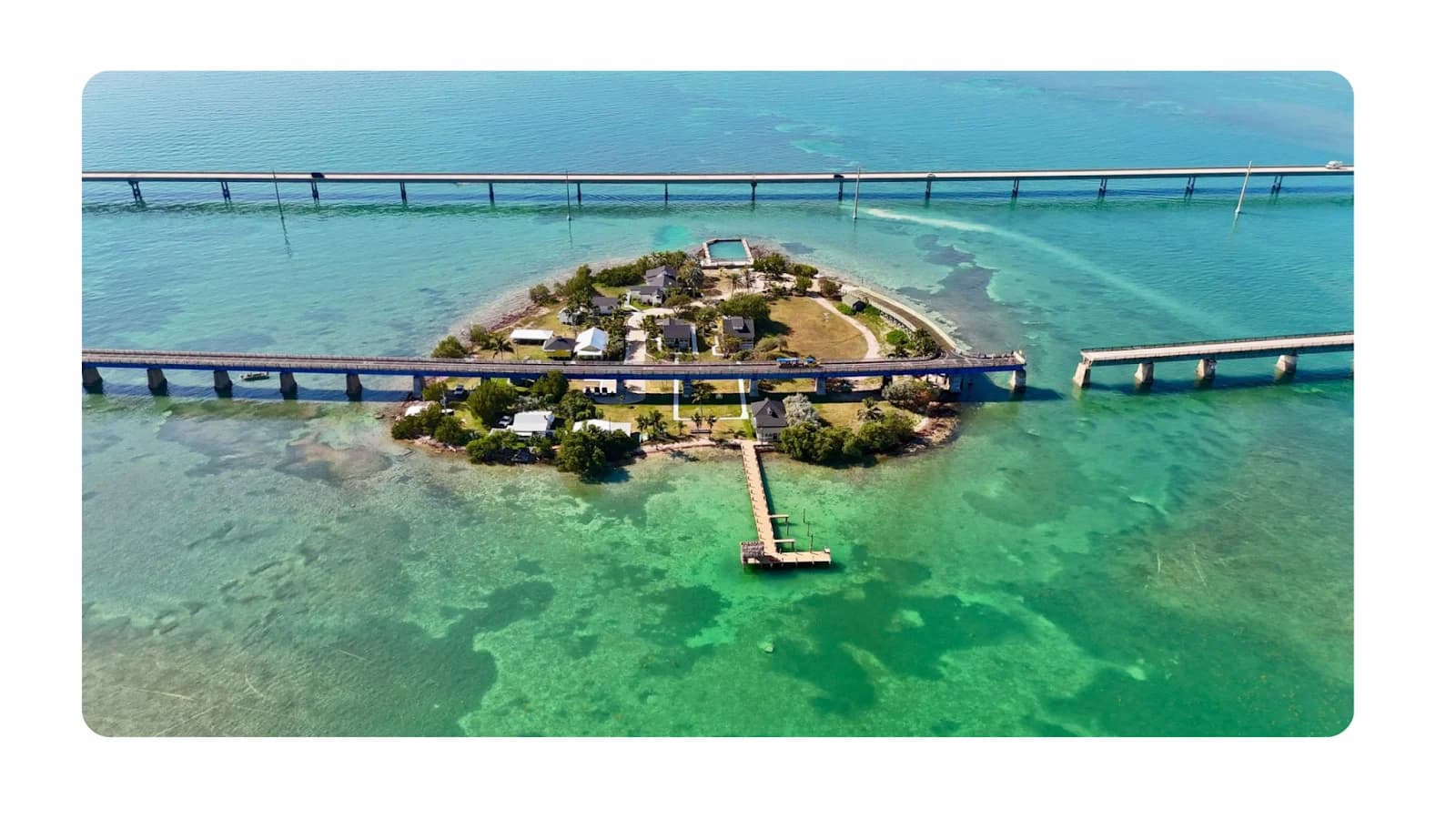
Marathon is also where travelers experience one of the most iconic stretches of road in the Florida Keys. The Seven Mile Bridge carries traffic today, while the Old Seven follows the original route of Henry Flagler’s Over-the-Sea Railway, built in the early 1900s. Just offshore sits Pigeon Key, a small island that once served as a construction camp for railway workers. It is open for tours, and getting there is part of the adventure:
- The Pigeon Key Express: You can board the tram for a narrated, open-air ride across the bridge to the island. Photo credit: Pigeon Key.
- Walk or Bike: You can walk or bike the 2.2-mile stretch of the restored Old Seven Mile Bridge directly to the island. This pedestrian-only path offers a world-class vantage point where you are suspended over the water, often spotting rays, sea turtles, and sharks in the clear shallows below as you make your way to the historic site.
You can learn more about the island’s fascinating history and how to plan your visit in our post on The Timeless Allure of Pigeon Key.
Bahia Honda
For many travelers, the moment the drive truly clicks happens at Bahia Honda State Park. Set on Bahia Honda Key at Mile Marker 37, the park offers sweeping views of shallow turquoise water and the remains of the old railroad bridge rising above the shoreline. It is a striking contrast of natural beauty and historic engineering and is often described as one of the most beautiful stops on the Overseas Highway.

Big Pine Key
As the drive continues south from Bahia Honda, Big Pine Key signals a noticeable shift. The landscape opens up and development thins as you enter the Lower Keys. The island and surrounding natural habitats are home to the endangered Key deer, a small native species found only in this part of the Keys. Seeing them near the roadside is a reminder that the Keys are not just a destination but a fragile ecosystem that requires care and patience.

Oceanfront balcony view at Southernmost Beach Resort, the final destination of a Miami to Key West road trip.
Arriving in Key West
From Big Pine Key, it’s only about 28 miles to Key West, and the islands feel closer together as mile markers count down toward Zero.
Getting here is part of the journey and there’s no better place for that story to begin than to reach your destination at Southernmost Beach Resort. What comes next is up to you. Do everything or nothing at all. You’re on island time. #somolife